

For the head of a small communications agency, juggling quotes, client follow-up, and invoicing was a real headache. Then came SaaS tools. Since then, everything is centralized and automated, and she can finally focus on what matters most: her clients. This situation is far from unique. More and more small businesses are adopting these online software solutions to improve efficiency, secure their cash flow, and remain competitive in a constantly evolving market.
What is SaaS and why are SMEs adopting it?
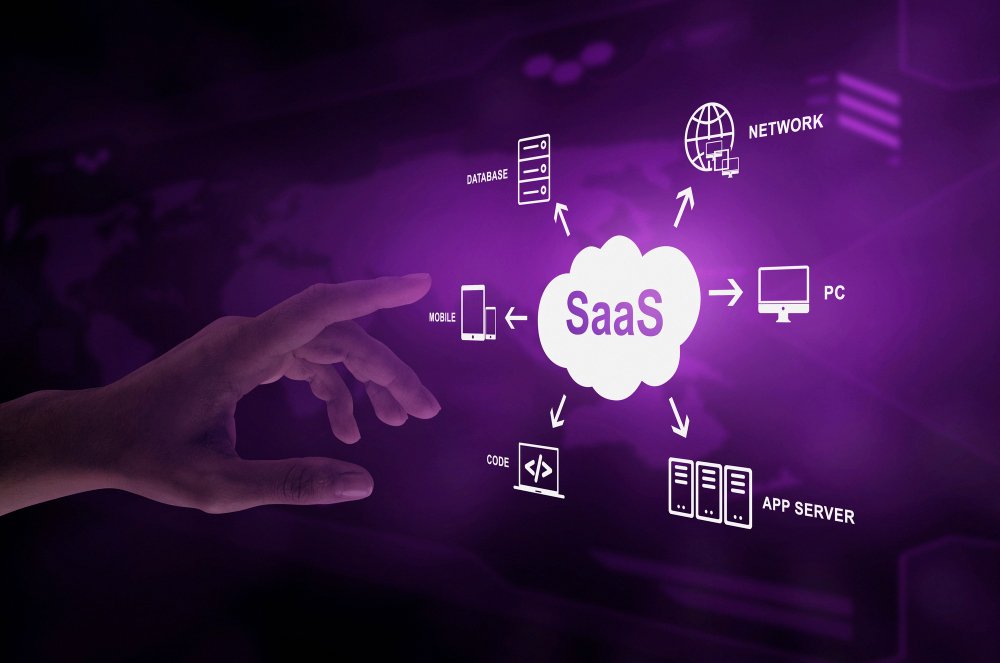
SaaS, or Software as a Service, refers to computer programs available online, usually on a subscription basis. No complicated installation is required, no server to manage; everything is accessible in just a few steps. For small businesses, this is a major transformation: tools that were previously reserved for large corporations are now affordable.
According to a Statista survey conducted in 2025, 68% of European SMEs use at least one SaaS software solution. Furthermore, the global market is projected to reach $300 billion by 2026, with an average annual growth rate of 17%.
The benefits for small businesses
- Simplicity and accessibility: no need for internal IT resources.
- Flexibility: you pay for what you use, and you can adapt the subscription according to your needs.
- Time savings: automation of repetitive tasks and centralization of data.
- Security and automatic updates: data is protected, software is always up to date.
Where SaaS is a game changer
Project management and collaboration
For small teams, tracking projects, deadlines, and responsibilities can quickly become complex. Solutions like Trello, Asana, or Monday.com offer a clear view of progress, tasks, and everyone’s responsibilities.
A Zapier 2024 survey shows that SMEs using these tools gain an average of 23% in productivity thanks to better organization and fewer misunderstandings between employees.
Customer relationship management and CRM
Maintaining a comprehensive view of customers is important for building loyalty and anticipating their needs. CRMs like HubSpot, Salesforce, or Zoho allow you to centralize contacts, automate follow-ups, and personalize interactions.
According to Salesforce 2023, companies using a CRM see an average increase of 27% in sales and 34% in customer satisfaction. For a small business, every contact becomes an opportunity to maximize.
Accounting and Financial Management
For SMEs, accounting can be a real challenge. SaaS platforms such as QuickBooks, Xero, or Pennylane offer precise expense tracking, automatic invoice generation, and tax return preparation.
According to PwC 2024, small and medium-sized enterprises that use these tools manage to reduce the time spent on administrative activities by 30%, allowing entrepreneurs to focus their efforts on business expansion.
Marketing and e-commerce
SaaS is also revolutionizing digital marketing. Platforms like Mailchimp, Shopify, and Canva allow users to manage campaigns, create content, analyze performance, and run online stores.
Statista 2025 notes that SMEs that adopt SaaS marketing tools increase their conversion rate by 15 to 20%, thanks to more targeted and automated communication.
Why SaaS is a strategic choice
- IT cost reduction : no need to invest in heavy infrastructure.
- Access to professional tools: powerful features at an affordable price.
- Rapid deployment : the tool is operational in minutes.
- Analysis and monitoring : dashboards and statistics to guide strategy.
- Security and compliance: backup, data protection and automatic updates.
How to choose the right SaaS tools
- Identify the company’s specific needs.
- Check compatibility with tools already in use.
- Evaluate the overall cost and return on investment.
- Test the solutions through free trials.
- Train the teams to maximize the use of the tool.
Limits to keep in mind
SaaS relies on a reliable internet connection. Multiple subscriptions can become costly and complex to manage. Therefore, companies must choose wisely and avoid spreading themselves too thin across too many tools. The key remains consistency and adoption by the teams.
The future of SMEs with SaaS
The trend continues to accelerate. With integrated artificial intelligence capabilities, advanced automation, and predictive analytics, small businesses now have access to tools that allow them to maintain their competitiveness, optimize their time use, and ensure high-quality customer service.
According to Statista 2025, the SaaS subscription market for small and medium-sized enterprises in Europe is growing at a rate of 20% per year. The message is clear: these tools are no longer just a convenience but a strategic driver for growth and revenue security.

